Choosing dining chairs and a table together is easier than relying on the name or appearance of either item. A comfortable fit depends on the actual chair, table construction, people using the room and the space around the setting. This guide is a planning aid, not a specification for a particular product.
Start with the chair you plan to use
If you already own chairs, measure them before shopping for a table. If you are buying both pieces, compare the products together. Seat height, cushion compression, back angle and armrests can change how a chair fits beneath a table and how it feels during a meal.
When possible, sit in the specific chair at a table with a similar construction. Check your posture, leg position and whether you can move in and out comfortably. A photo or a generic furniture label cannot show how every person will experience a piece.
Check clearance beneath the tabletop
Do not measure only from the floor to the top surface. A rail or apron underneath the tabletop can reduce knee room. Armrests may also prevent a chair from sliding fully beneath the table, even when the seat itself fits.
Ask for the finished dimensions of the exact table and chair, including the underside construction and the highest point of the armrests. Leave room for the chair to move back without hitting a wall, cabinet or another seat.
Plan around the number of seats you use
Count everyday diners separately from occasional guests. Sketch the positions of the chairs around the table and mark nearby doors, walkways and storage that opens into the same area. Check that the arrangement works when chairs are occupied as well as when they are pushed in.
For a flexible layout, compare a smaller everyday setting with any extension options you are considering. Confirm the dimensions and seating arrangement for each configuration instead of assuming an extension will suit every room.
Test the arrangement before ordering
Use masking tape or paper to outline the actual table footprint on the floor. Add a second outline for the chair positions when pulled out. Walk through the room and open nearby doors, drawers and cabinets. This simple test can reveal collisions that are hard to spot in a product photo.
If you are ordering made-to-measure furniture, review a written drawing showing the final dimensions and underside details. Ask the seller to confirm the chair and table are designed to work together before production begins.
Dining furniture fit checklist
- You have the finished measurements for the exact table and chairs.
- Knees and armrests clear the table underside.
- Each chair can be moved in and out without blocking a route.
- Doors, drawers and cabinets still open around occupied chairs.
- Any extension setting has been checked against the room plan.
Frequently asked questions
Can any dining chair go with any dining table?
No. Compare the dimensions and construction of the actual pieces, especially seat height, table rails and armrests. Test the combination when possible.
Should chairs fit fully under the table?
That depends on the chair, table and the space available. Check that the position is comfortable and that the chair does not block a walkway when in use.
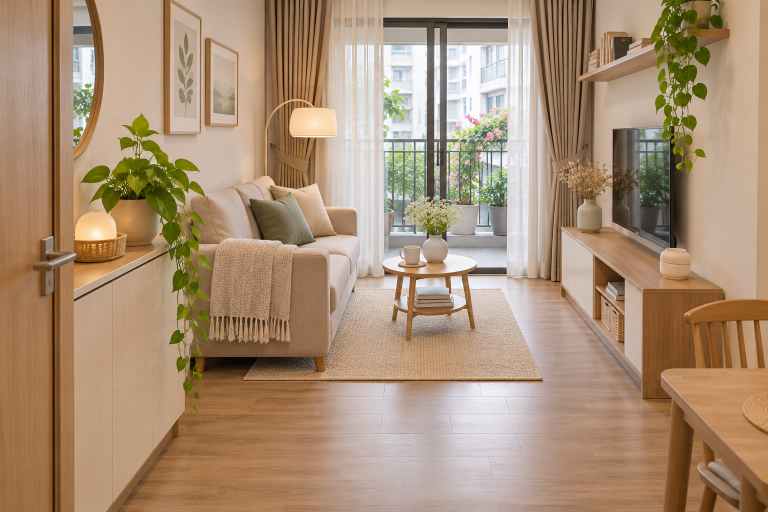
Browse the interior concepts for visual inspiration. They are illustrative room studies, not product specifications.